Want stronger legs, firmer glutes and better everyday fitness? Squats could be one of the simplest exercises to add to your routine.
You don't need an expensive gym membership or complicated equipment to get started. Squats are a practical, effective exercise that can be performed at home, in the gym or almost anywhere you have enough room to move.
But what exactly do squats do for your body? Which muscles do they work? Can they help with weight loss? And should you be doing them every day?
Let's find out.
Which Muscles Do Squats Work?
Squats are a compound exercise, meaning several muscle groups work together during the movement.
The main muscles involved include:
Quadriceps: The muscles at the front of your thighs that help straighten your knees.
Glutes: Your buttock muscles, which help extend and stabilise your hips.
Hamstrings: The muscles at the back of your thighs that contribute to hip movement and stability.
Adductors: Your inner-thigh muscles, which assist with hip movement.
Core muscles: Your abdominal and back muscles help keep your torso stable.
Your calves also contribute to balance and ankle stability.
Because squats involve multiple joints and muscles, they are particularly useful for developing functional lower-body strength.
What Are the Main Benefits of Doing Squats?
1. Stronger Legs
Squats strengthen the muscles used when walking, climbing stairs, standing up and carrying everyday items.
Improving lower-body strength can make these movements feel easier over time.
2. Stronger Glutes
Your glute muscles are essential for hip movement and stability.
Regular squatting, combined with appropriate resistance and progression, can help strengthen and develop these muscles.
If building your glutes is a particular goal, exercises such as hip thrusts and lunges can complement your squat routine.
3. Better Balance and Stability
Squats require coordination between your hips, knees, ankles and core.
Practising controlled squats can improve movement confidence and lower-body stability, particularly when combined with other balance and strength exercises.
4. Improved Everyday Mobility
Think about how often you squat without realising it.
Getting out of a chair, picking something up or lowering yourself towards the floor all involve similar movement patterns.
Practising squats through a comfortable range of motion can help maintain the strength and mobility needed for everyday activities.
5. Support for Weight Management
Squats use some of the body's largest muscle groups and contribute to overall physical activity.
They burn energy during exercise and, when progressively challenging, can help build or maintain muscle.
However, weight loss depends on your overall energy balance, not one particular exercise.
Do Squats Help You Lose Belly Fat?
This is one of the most common questions people ask about exercise.
Squats can support a weight-management programme, but they do not specifically burn belly fat.
Your body determines where it loses fat, and you cannot choose to remove fat from one area simply by exercising the muscles nearby.
For reducing overall body fat, the most effective approach generally combines:
A sustainable, balanced diet
Regular physical activity
Strength training
Adequate sleep and recovery
Consistency over time
Squats can certainly be part of that routine.
How Do You Do Squats Correctly?
Squats might look simple, but technique matters.
Start with a basic bodyweight squat before progressing to additional resistance.
Step 1: Stand comfortably
Place your feet approximately shoulder-width apart, with your toes pointing slightly outward if that feels natural.
Step 2: Brace your core
Keep your torso stable and look forward.
Step 3: Lower your body
Bend your hips and knees together, as though sitting down into a chair.
Keep your heels grounded and allow your knees to follow the direction of your toes.
Step 4: Find a comfortable depth
Lower yourself as far as you can while maintaining control and balance. Not everyone needs to squat to the same depth.
Step 5: Stand back up
Push through your feet and straighten your hips and knees to return to standing.
Move smoothly rather than bouncing at the bottom.
Watch our Must Fit Sports squat demonstration below to see the movement in action.
Watch: How to Do a Bodyweight Squat
Follow our quick Must Fit Sports demonstration to see a controlled squat in action. Keep your feet grounded, lower yourself comfortably and rise with control.
How Many Squats Should Beginners Do?
If you're new to squats, quality matters more than quantity.
A sensible starting point for many healthy beginners is:
8–12 controlled bodyweight squats
1–2 sets per session
2–3 sessions per week, with recovery between challenging sessions
Start with fewer repetitions if necessary.
As your strength and confidence improve, you can gradually increase repetitions, sets or resistance.
There is no universal number of squats everyone should do each day.
What Happens If You Do Squats Every Day?
Performing a few comfortable bodyweight squats daily may be manageable for some people.
However, challenging strength workouts place demands on your muscles and require recovery.
Training your legs hard every day is not necessarily more effective than allowing time for rest and adaptation.
The best routine is one you can maintain consistently while gradually improving.
Are Squats Bad for Your Knees?
Squats are not inherently bad for healthy knees.
When performed with appropriate technique, range of motion and loading, they can help strengthen the muscles supporting the knee joint.
However, individual circumstances matter.
If you experience sharp pain, swelling or persistent discomfort, stop the exercise and seek advice from an appropriate healthcare professional.
You can also begin with chair-assisted squats or a shallower range of motion if these are more comfortable.
What Should You Wear When Doing Squats?
Comfortable clothing can make exercising easier and allow you to focus on your technique.
When choosing gym clothes for squats, consider three important features.
Freedom of movement: Look for shorts or leggings that allow your hips and knees to bend comfortably without restrictive fabric.
Comfort and fit: A secure waistband helps keep clothing in place as you lower and rise.
Breathability: Moisture-wicking materials can help you feel more comfortable during longer or more intense workouts.
At M.U.S.T. Fit® Sports, we believe your workout clothing should move with you, whether you're completing your first squat or progressing to a more challenging routine.
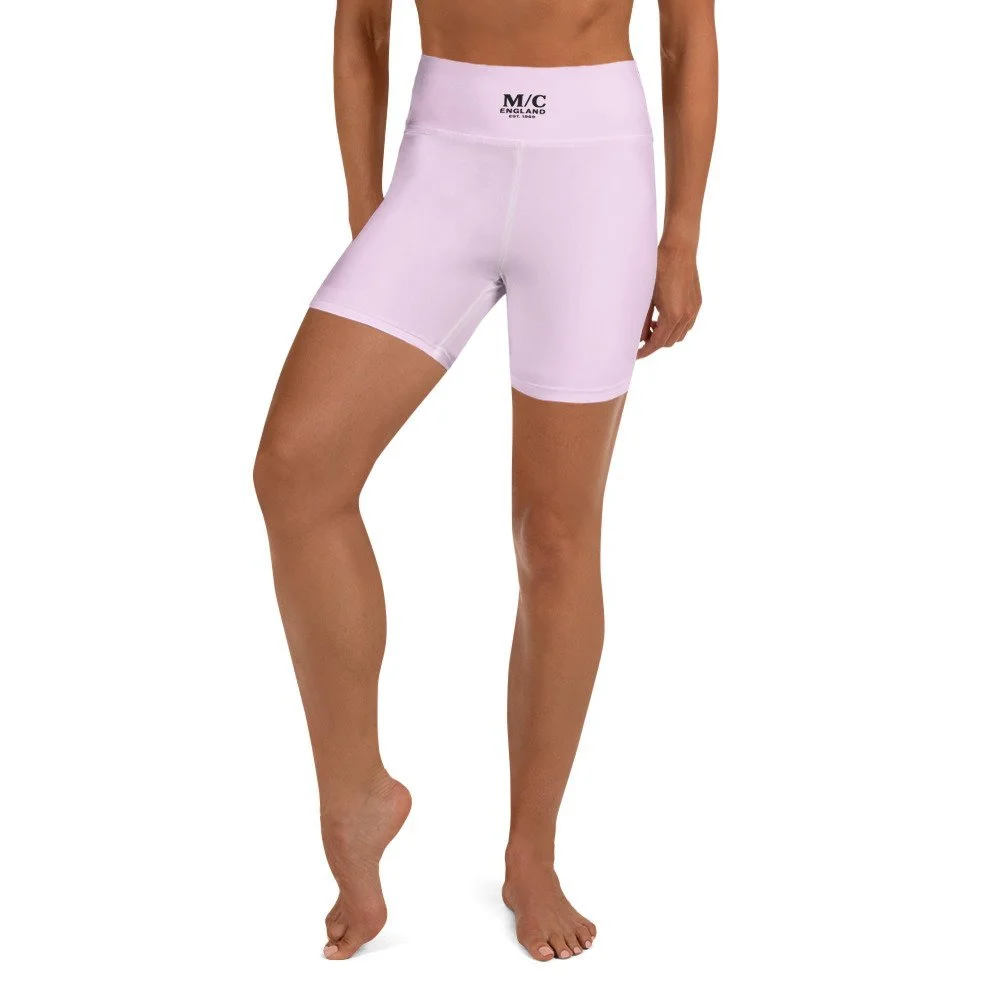
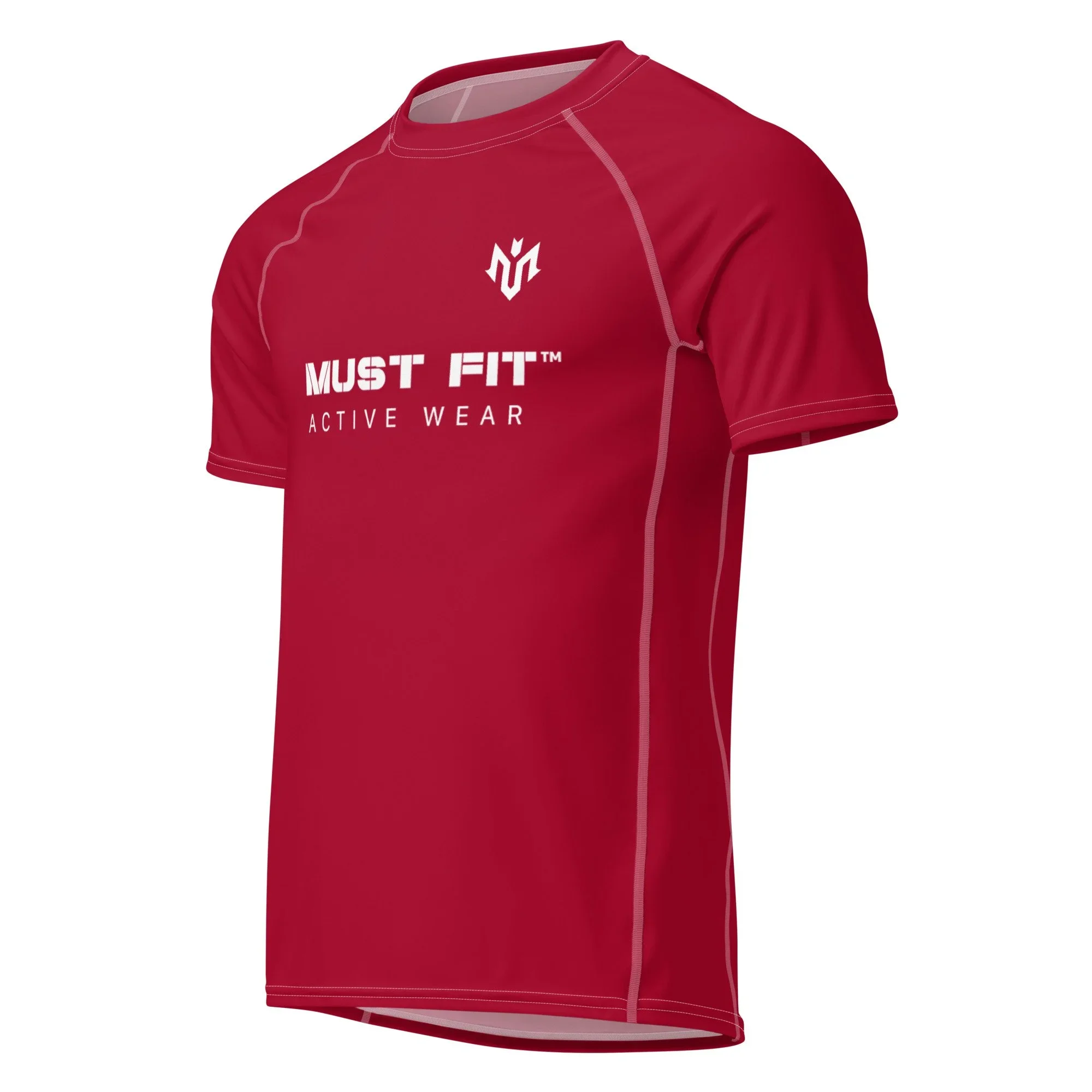
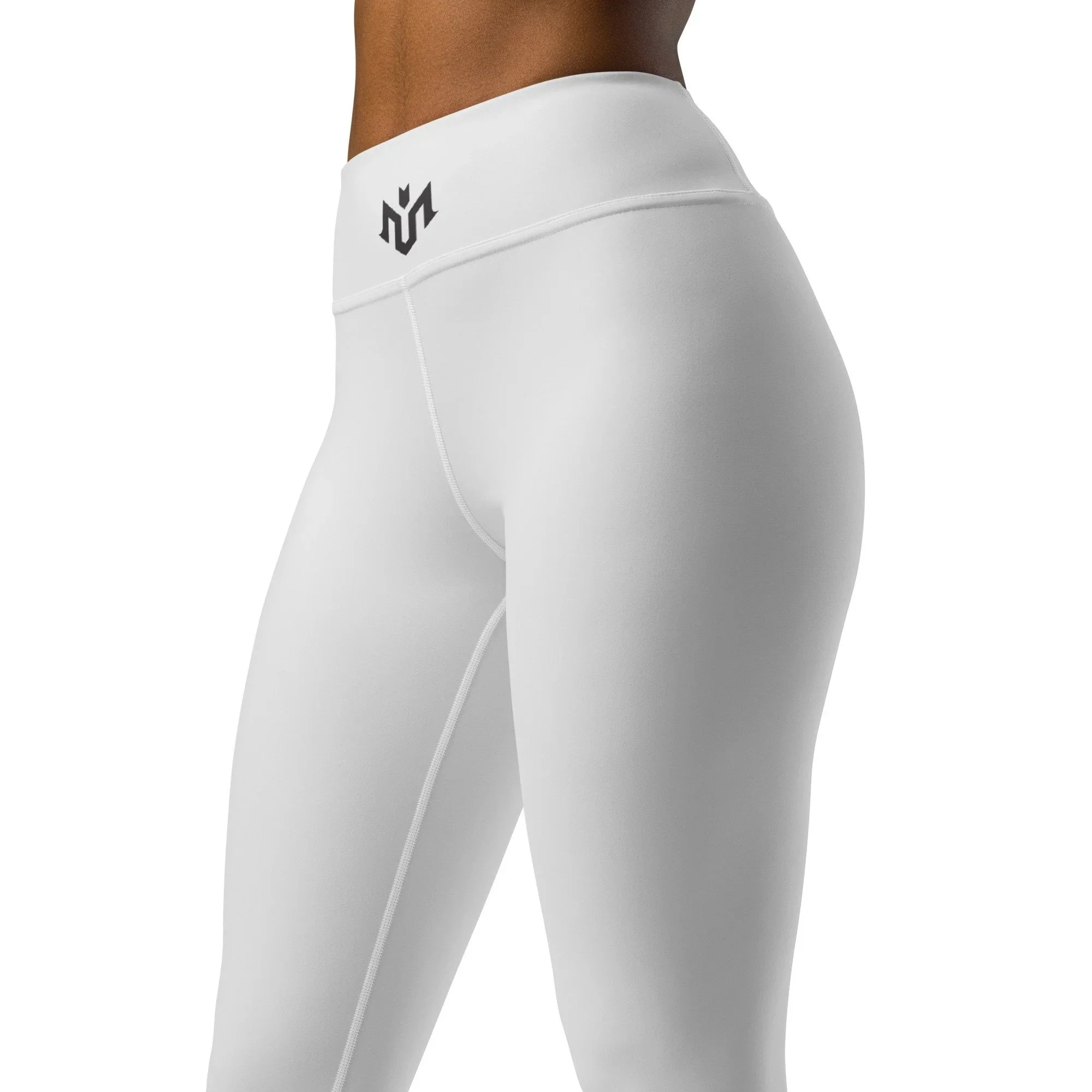
Find Your Workout Style
From flexible gym shorts to comfortable leggings and everyday training clothing, explore pieces designed for movement.
Explore our Gym Clothes collection at M.U.S.T. Fit® Sports and find something that suits the way you move.
Are Squats Worth Adding to Your Workout?
Absolutely.
Squats are a versatile exercise that can strengthen your legs and glutes, support everyday movement and form part of a balanced fitness routine.
You don't have to start with heavy weights or hundreds of repetitions.
Start comfortably, focus on technique and build gradually.
And remember, the most effective exercise routine isn't necessarily the most complicated one.
It's the one you keep doing.
M.U.S.T. Fit® Sports
WHAT YOU WEAR WHEN YOU DO!
This article provides general fitness information and is not a substitute for personalised medical or exercise advice.