Choosing the Right Clothes for Your Workout
What You Wear When You Do! — The M.U.S.T. Fit® Sports Series
Gym shorts or joggers? Loose T-shirts or muscle shirts? Leggings or yoga pants? And should you wear a hoodie when exercising?
What you wear to the gym can make a real difference to how comfortable, confident and focused you feel.
But the best gym outfit isn't necessarily the most expensive, the tightest or the most fashionable. It's the one that works for you and the workout you're doing.
Whether you're lifting weights, running on a treadmill, stretching through a yoga session or simply starting your fitness journey, choosing the right clothing can help you move more comfortably.
Let's explore what to wear, when to wear it and why.
1. Gym Shorts: Freedom to Move
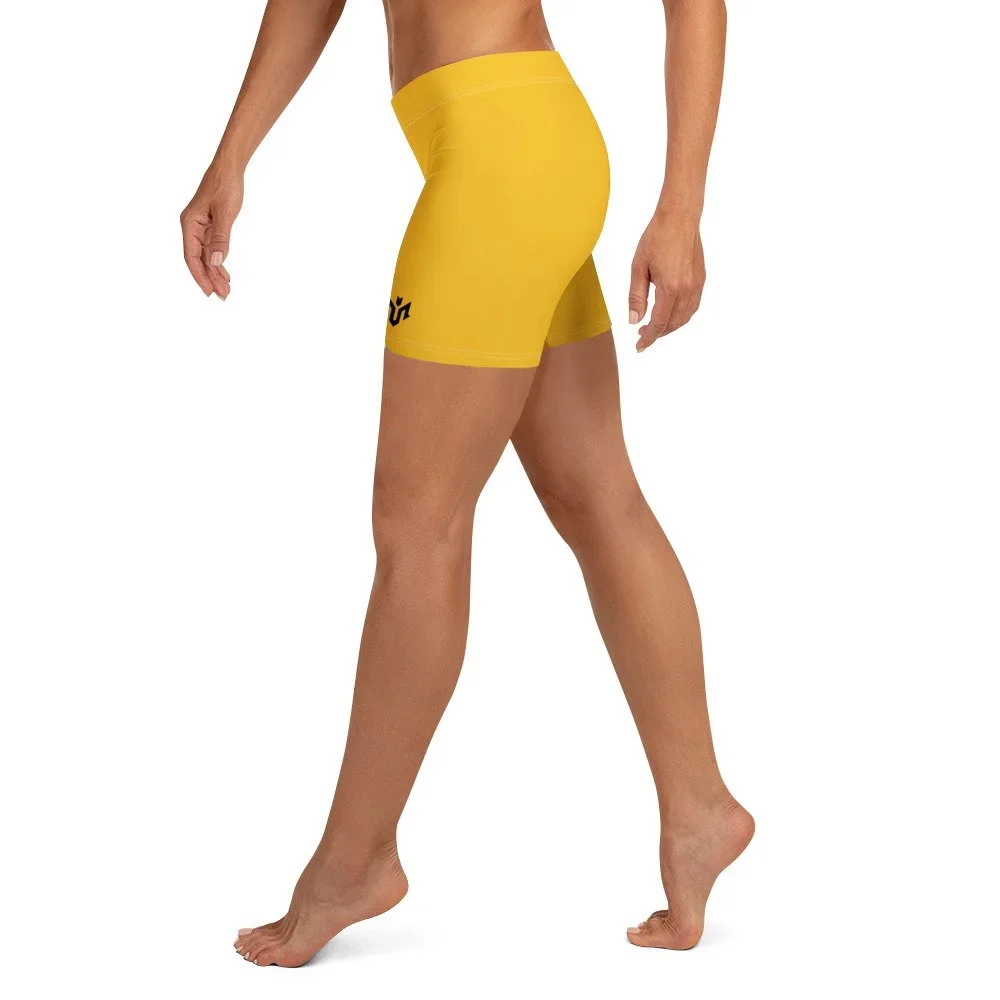
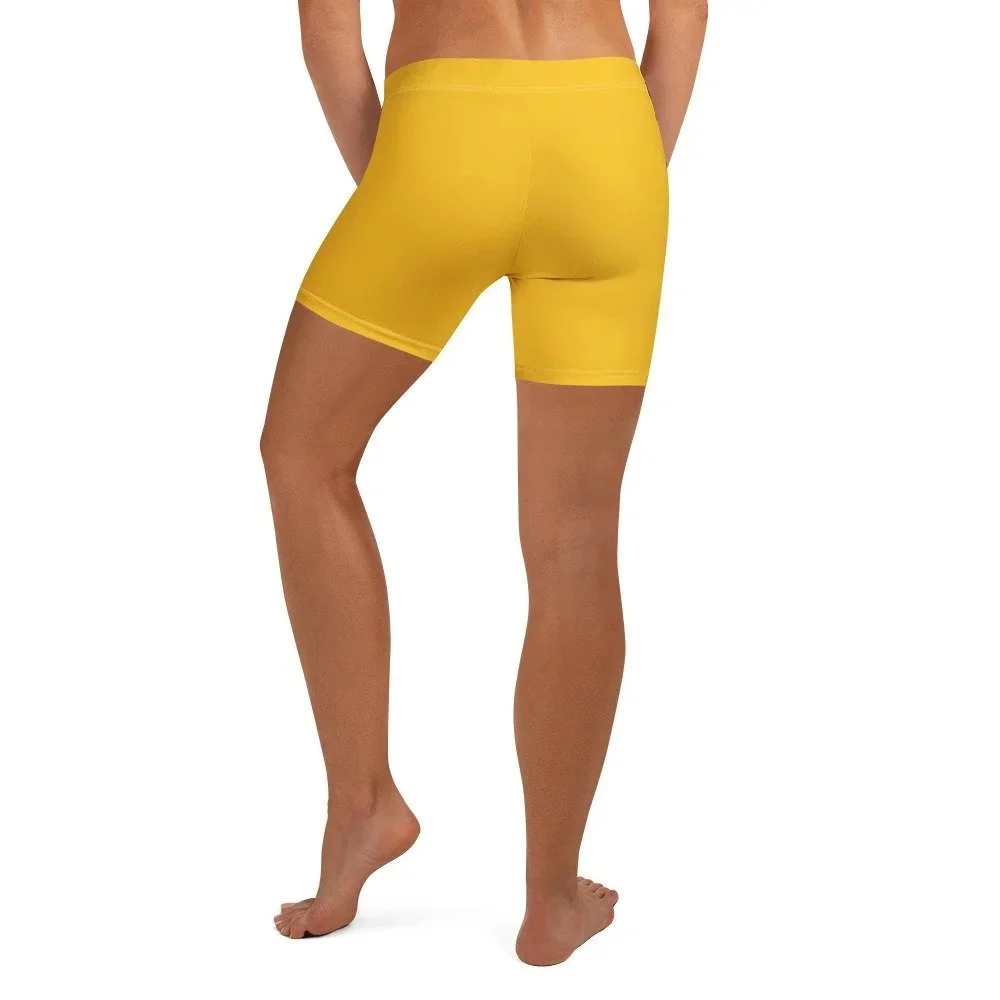
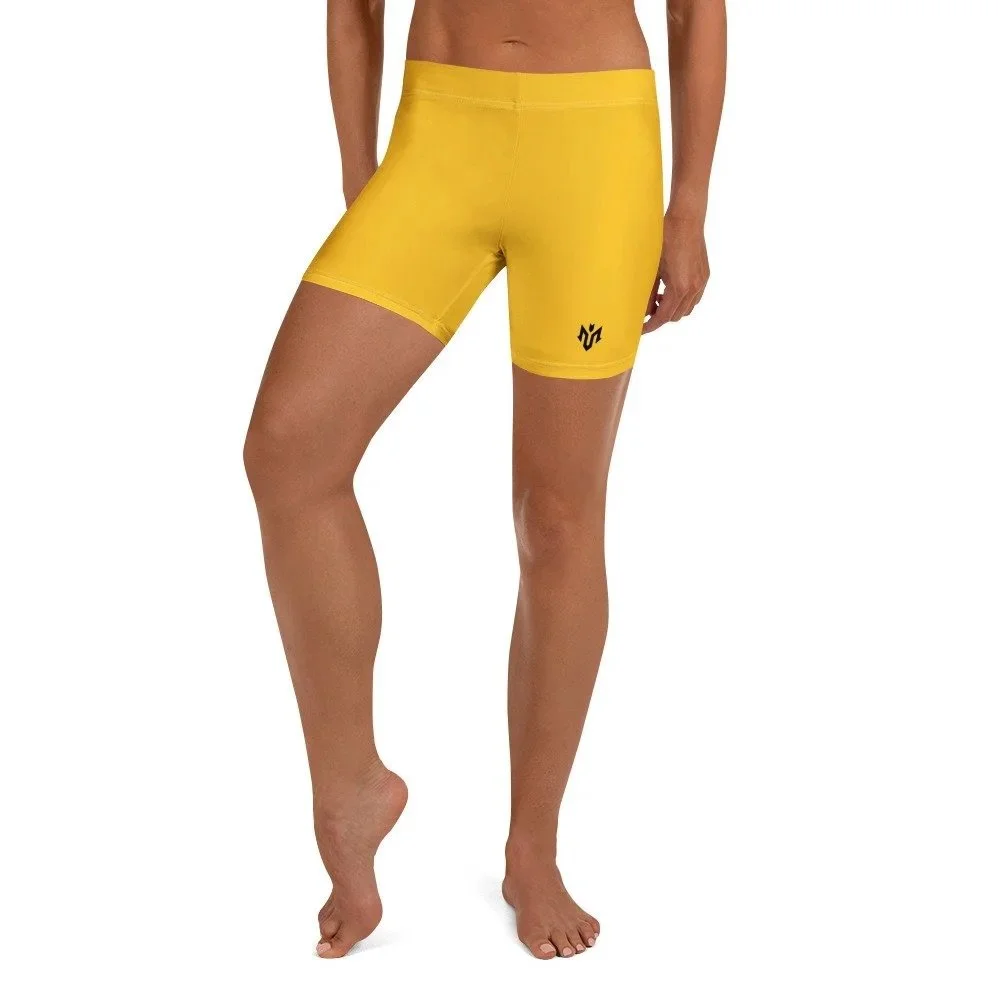
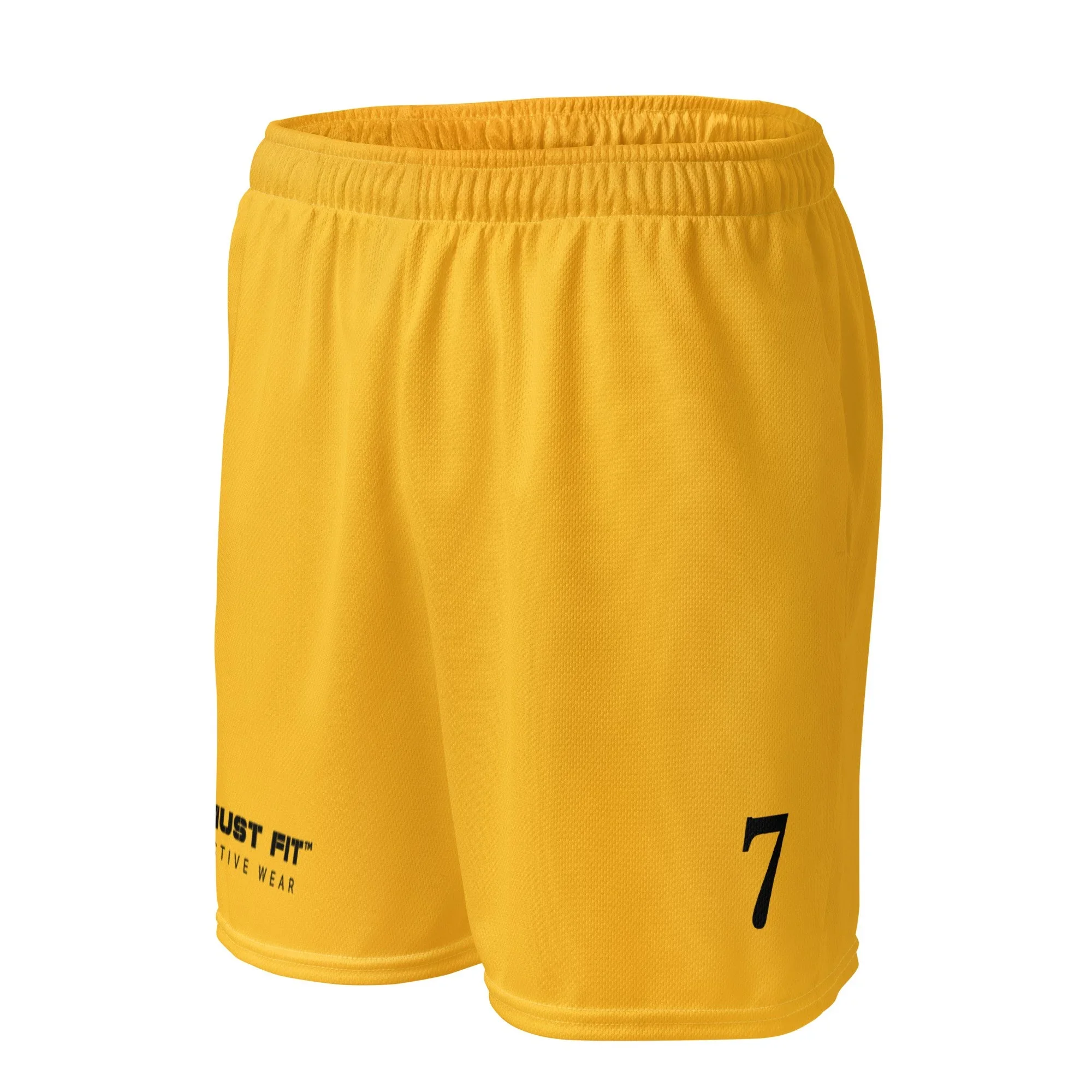
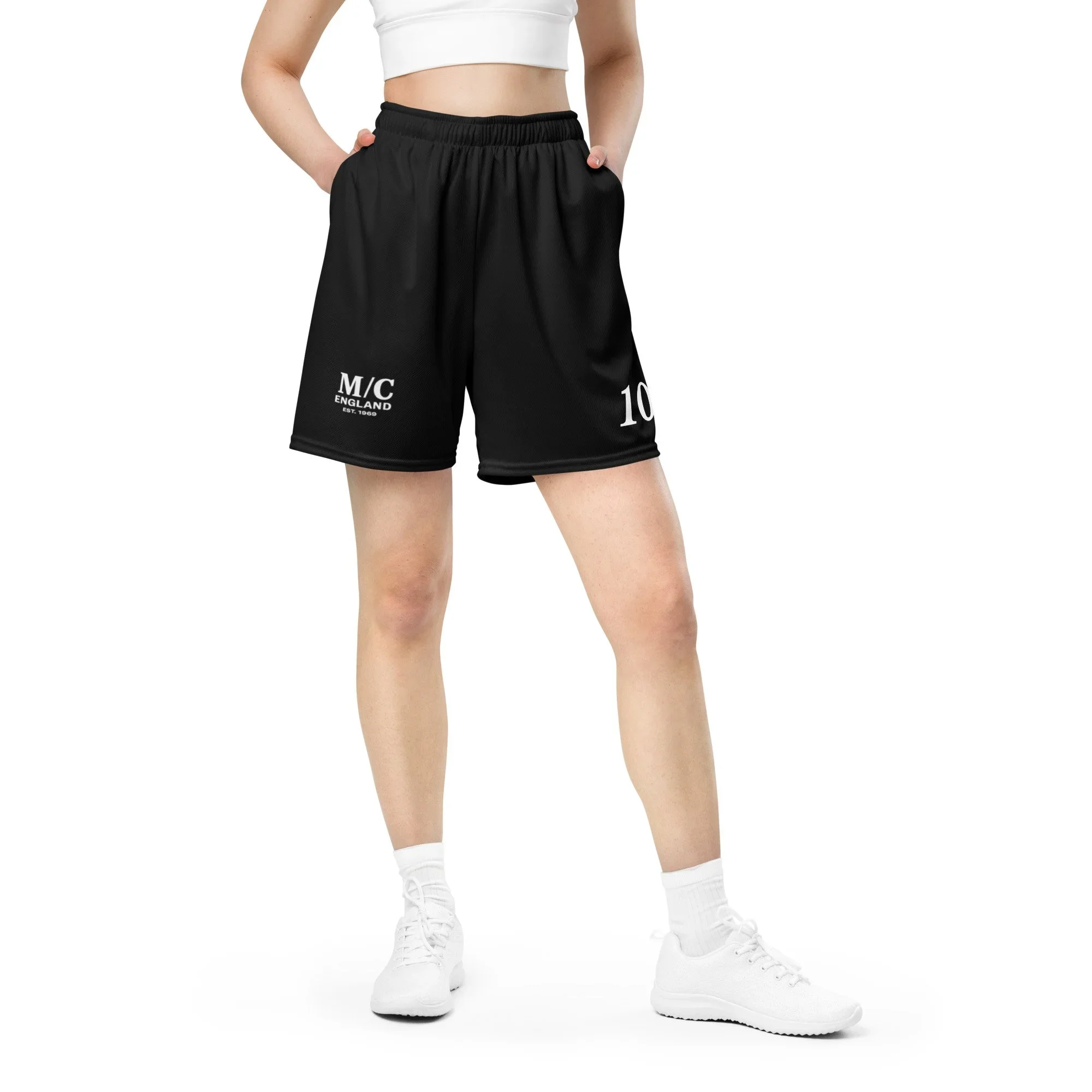
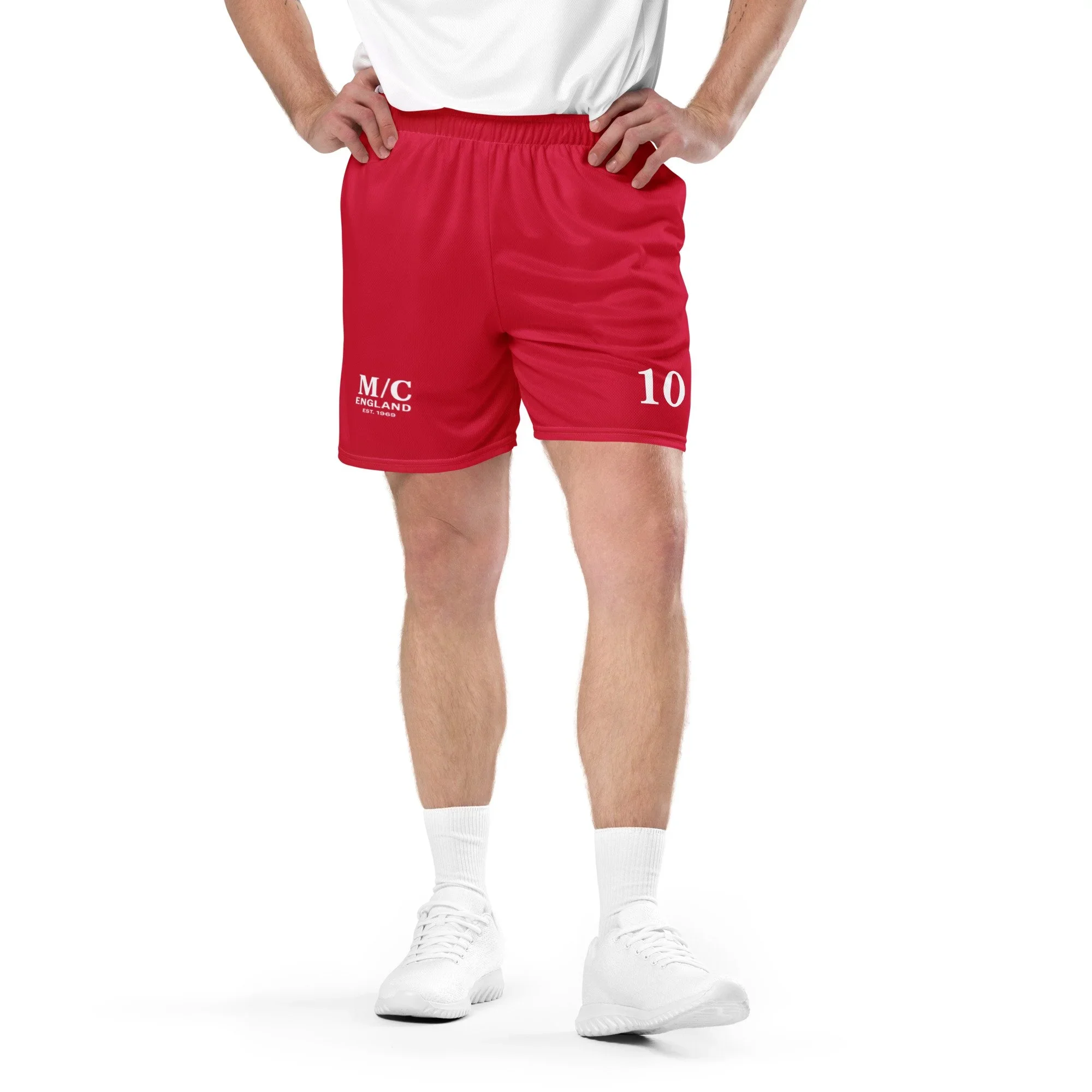
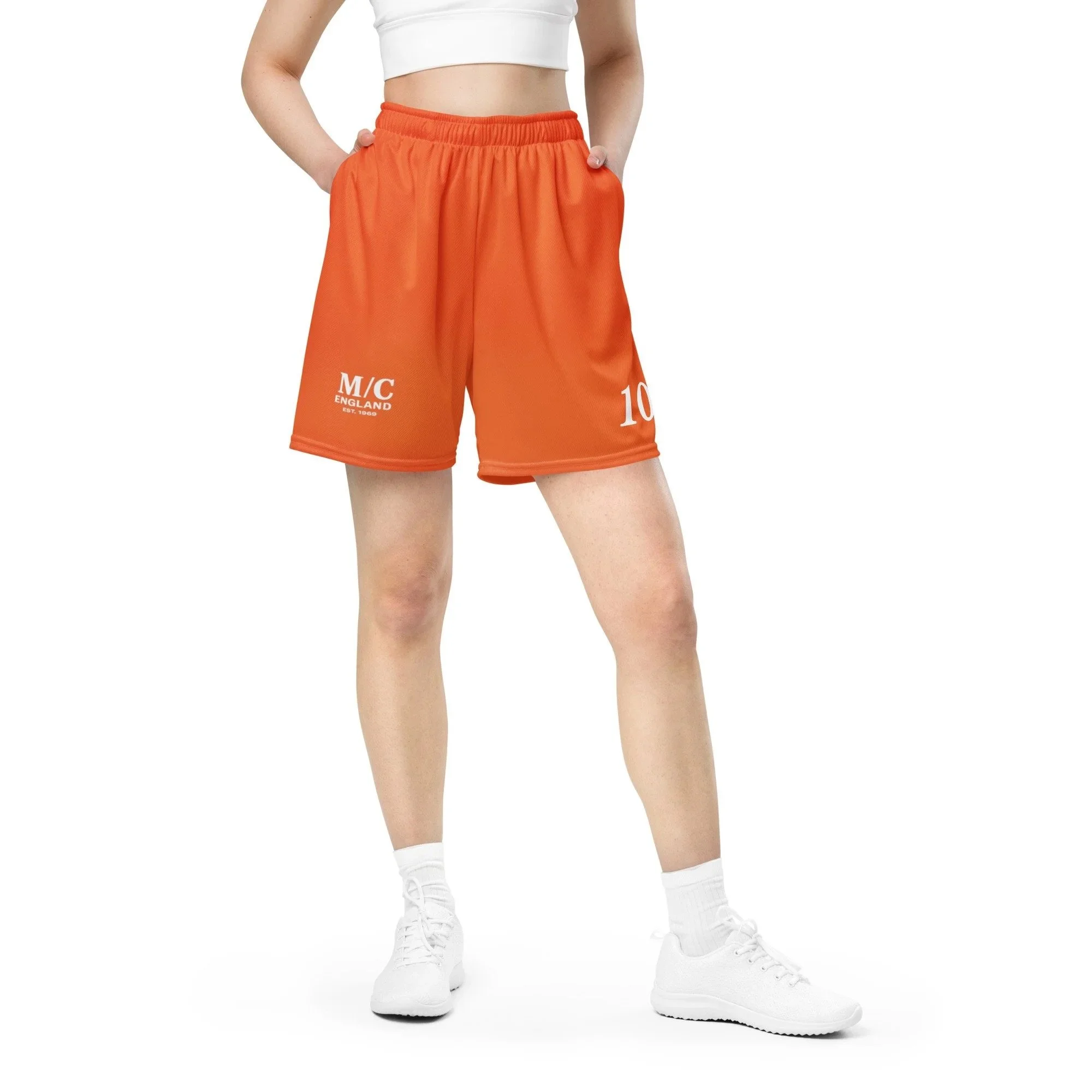
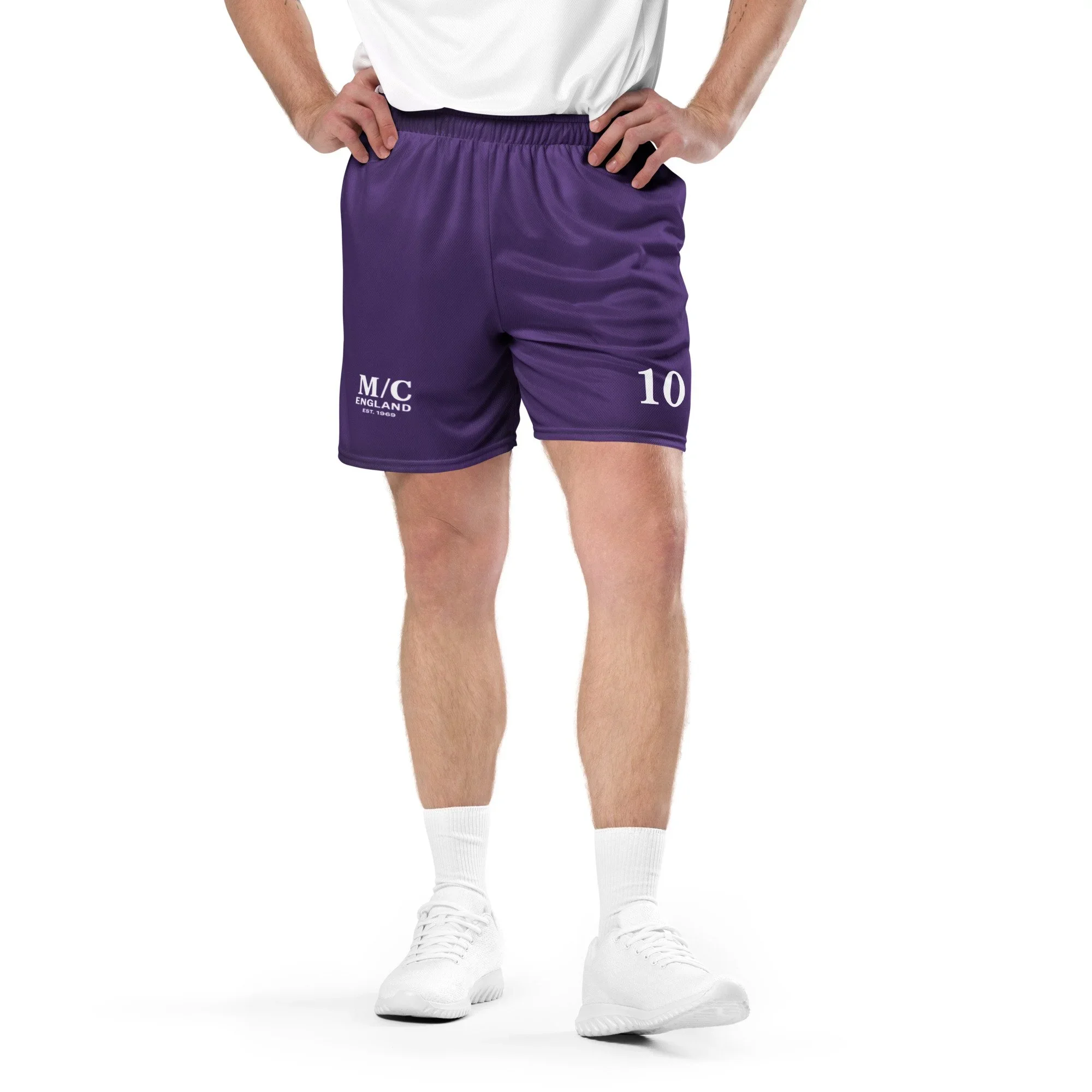
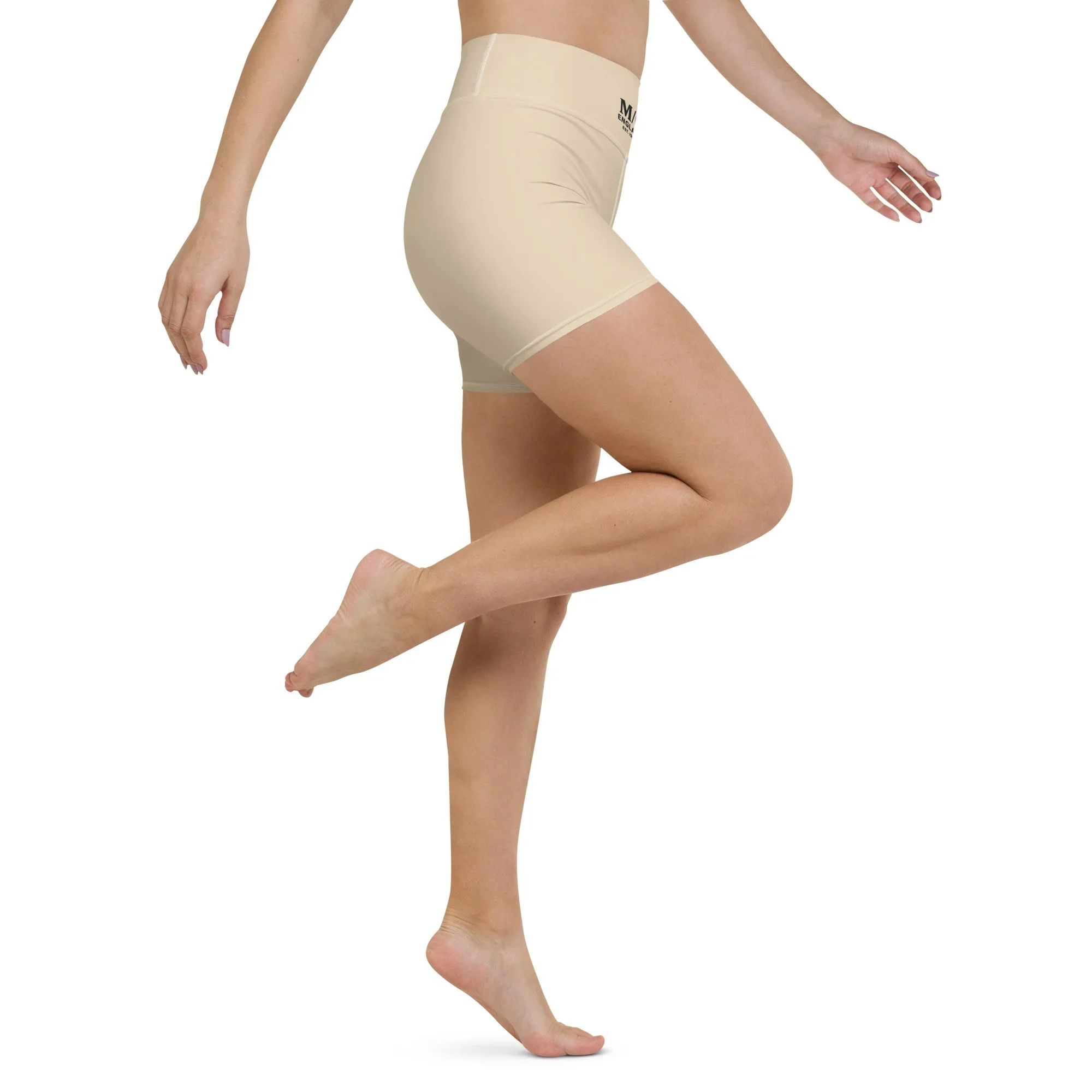
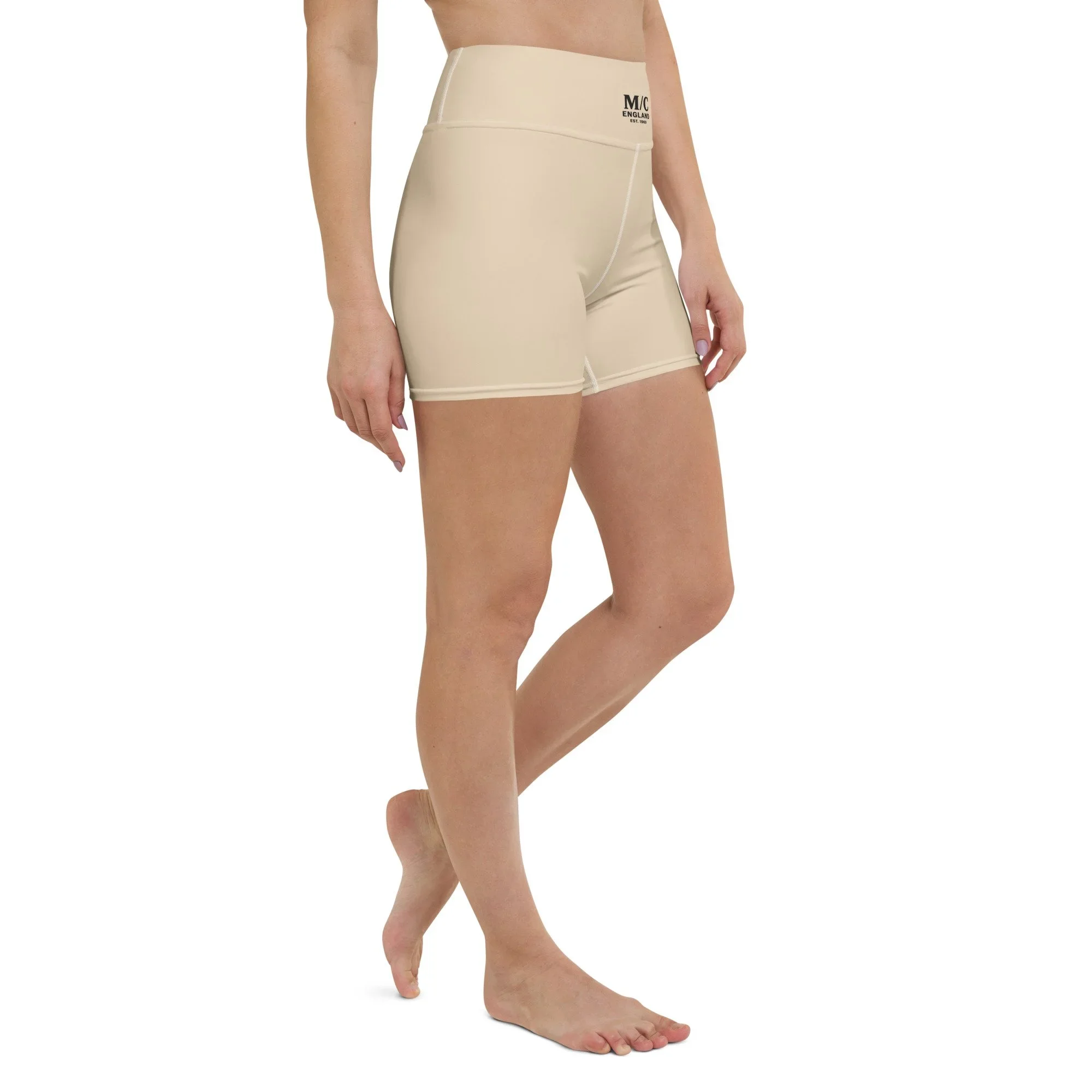
Gym shorts are a popular choice for everything from strength training to cardio.
Their biggest advantage is freedom of movement. They allow your legs to move naturally during exercises such as squats, lunges and running.
Best for: Weight training, cardio, HIIT and warmer gym environments.
What to look for:
Lightweight, breathable materials
A comfortable waistband
Enough room for squats and lunges
Moisture-wicking fabrics for sweaty sessions
A slightly longer, relaxed-fit short can be ideal for strength training, while shorter running shorts may offer greater freedom during cardio.
The key: Choose shorts that move with you, not against you.
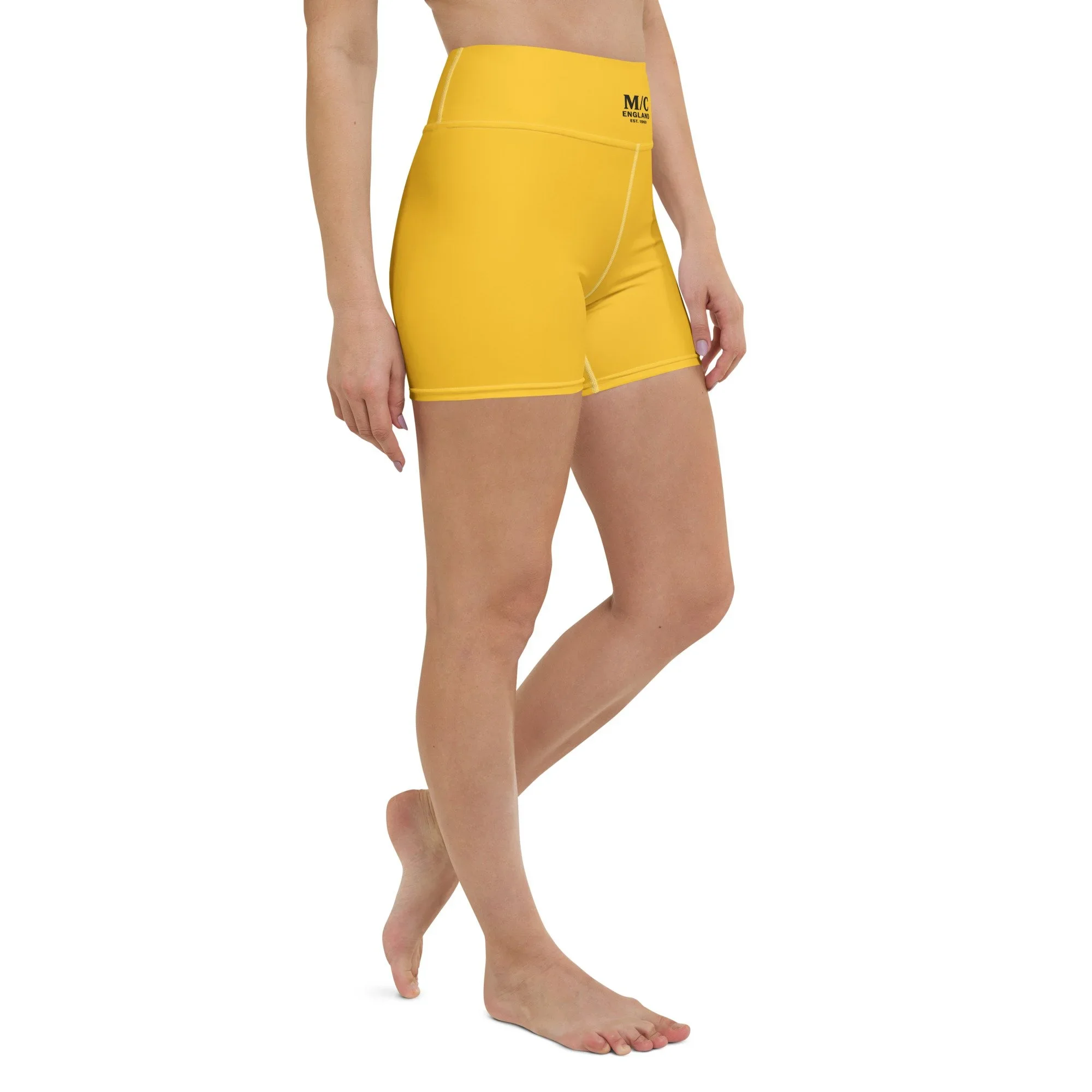
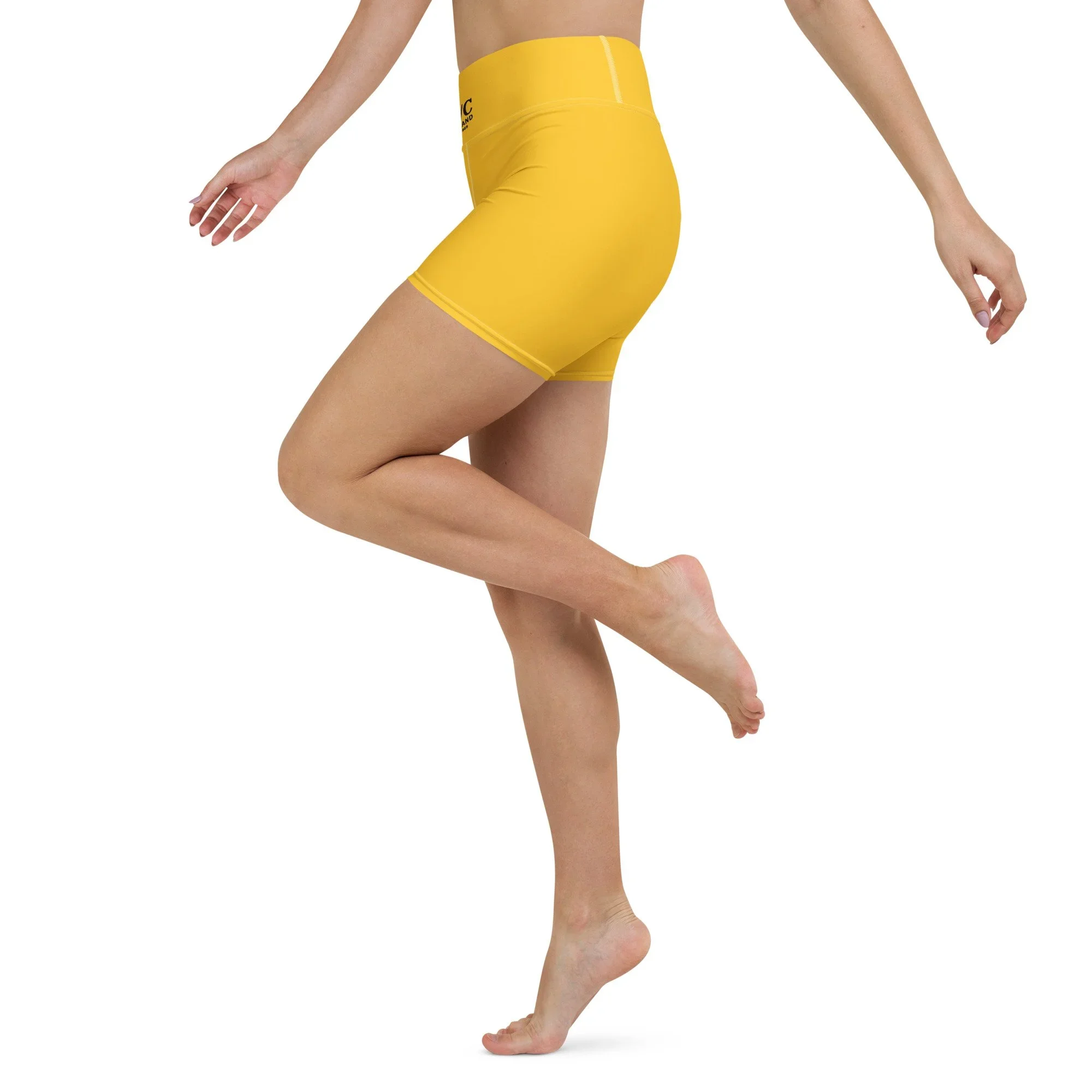
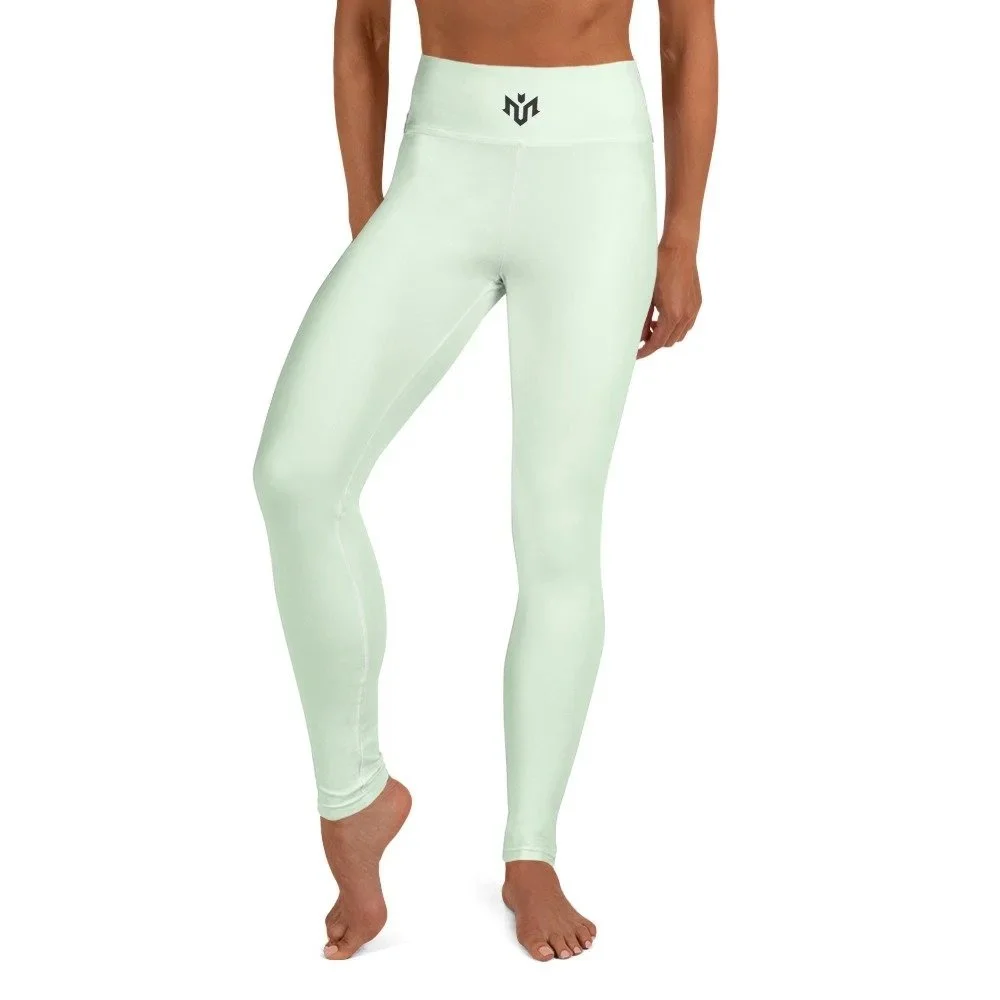
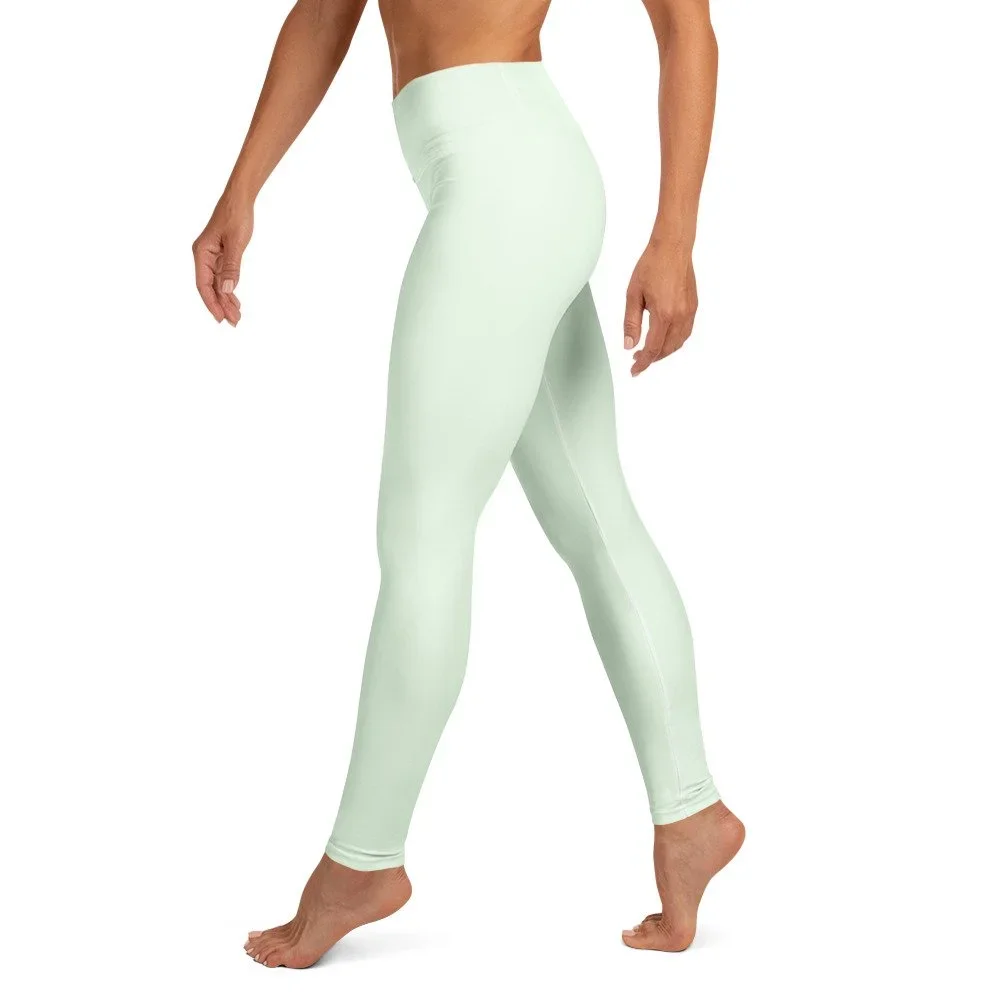
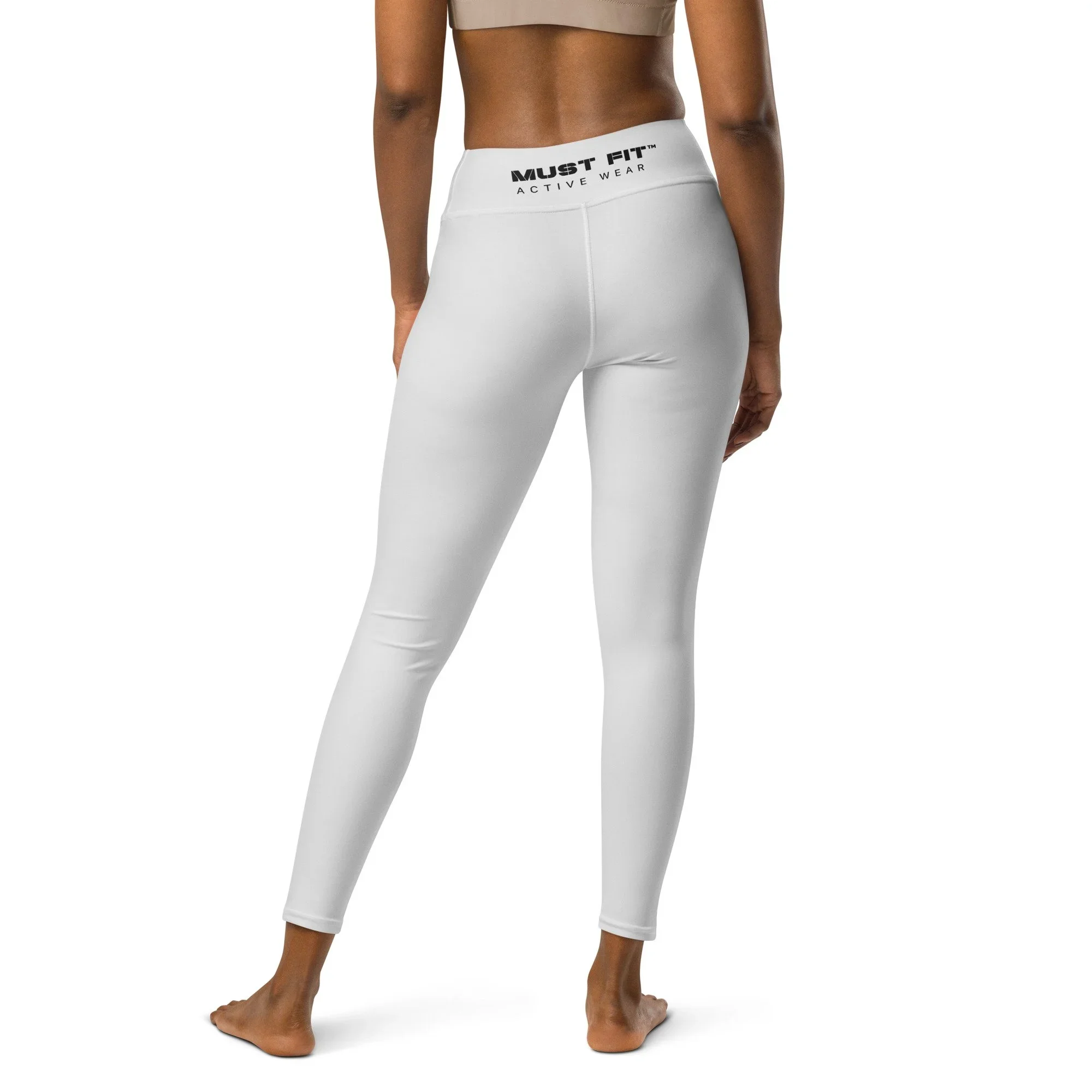
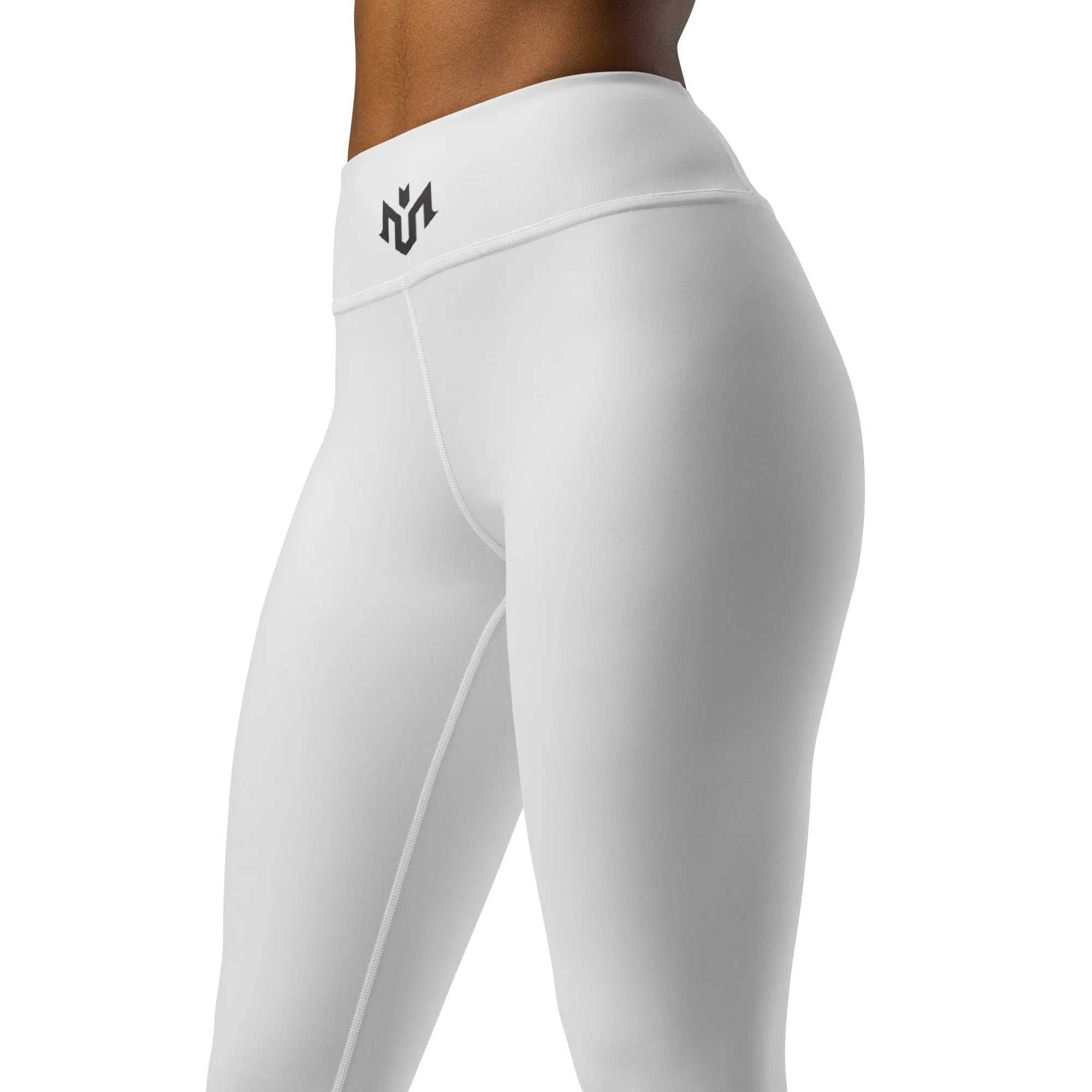
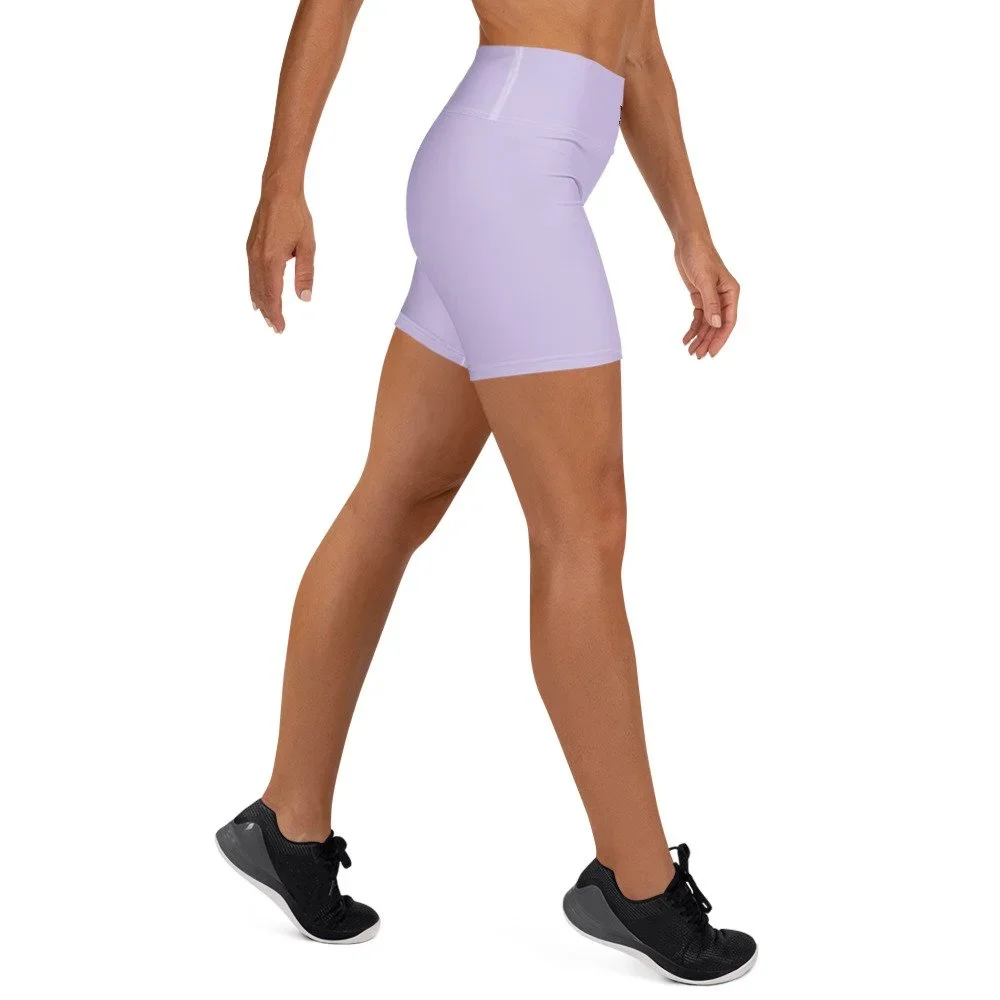
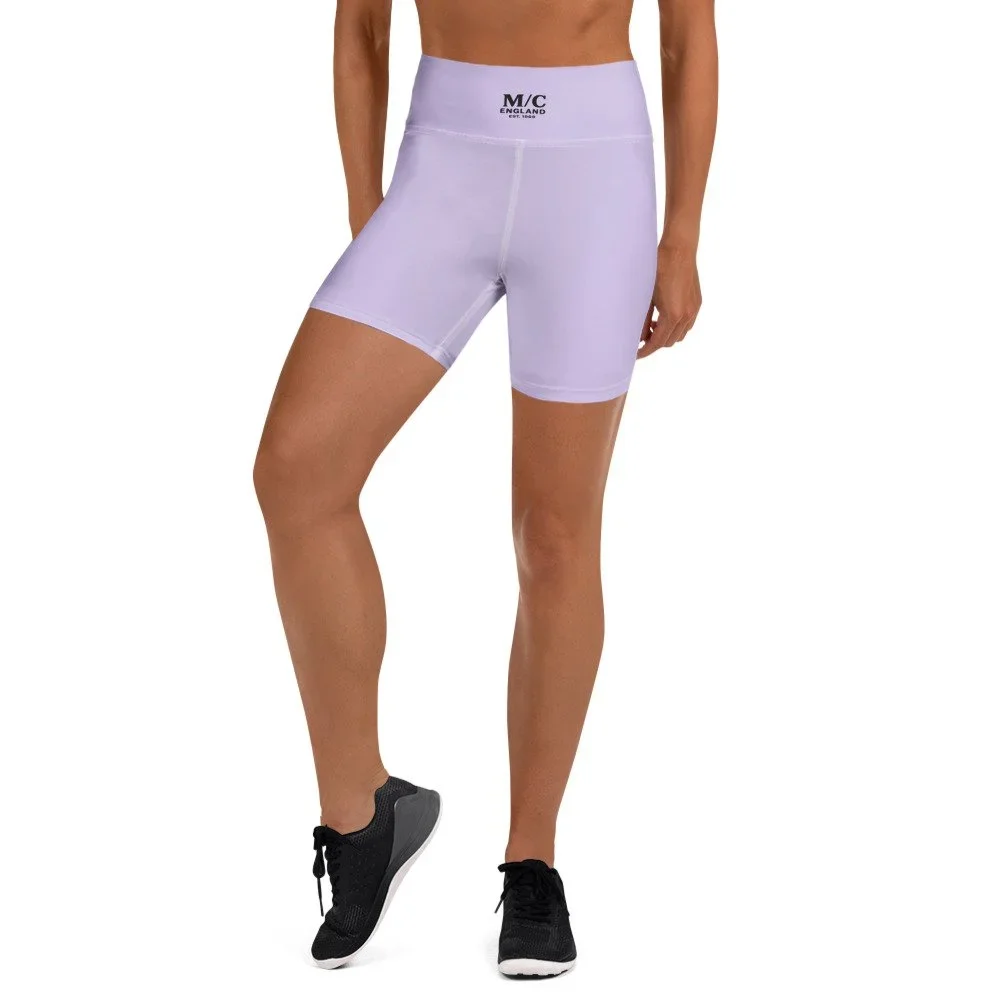
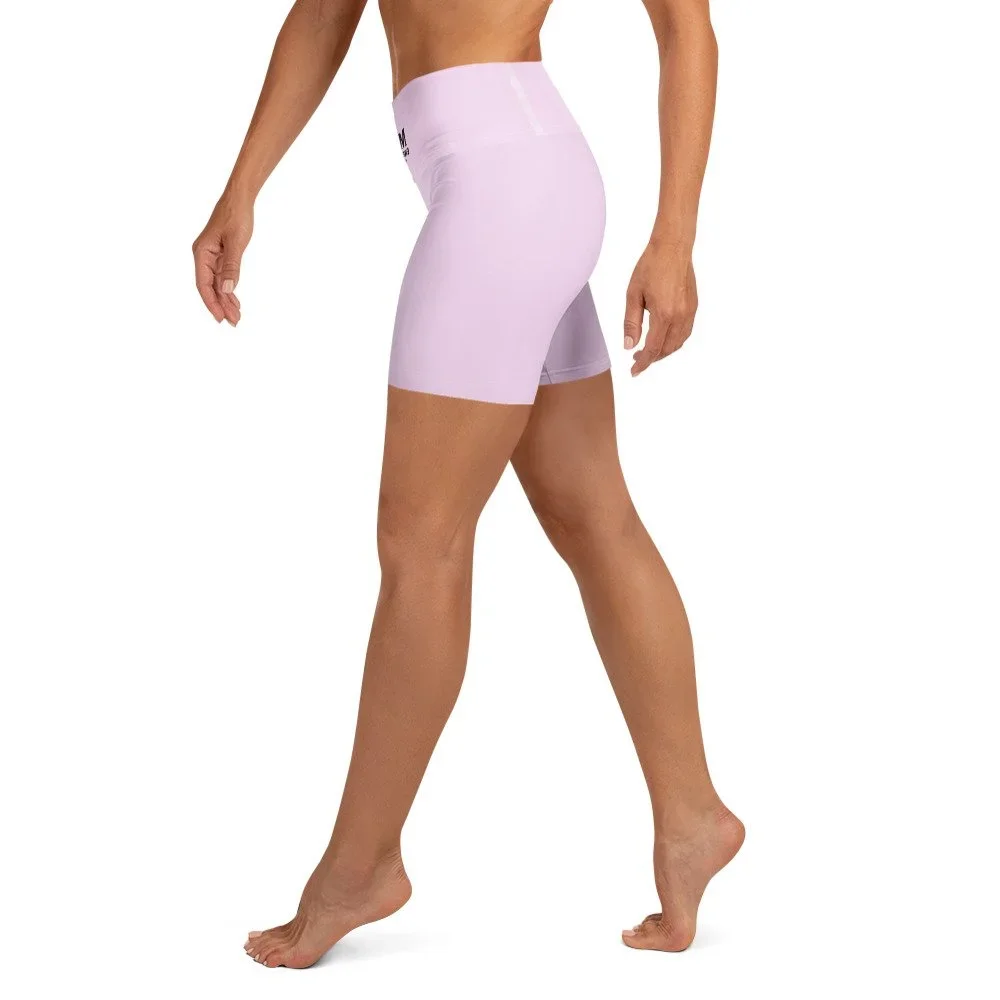
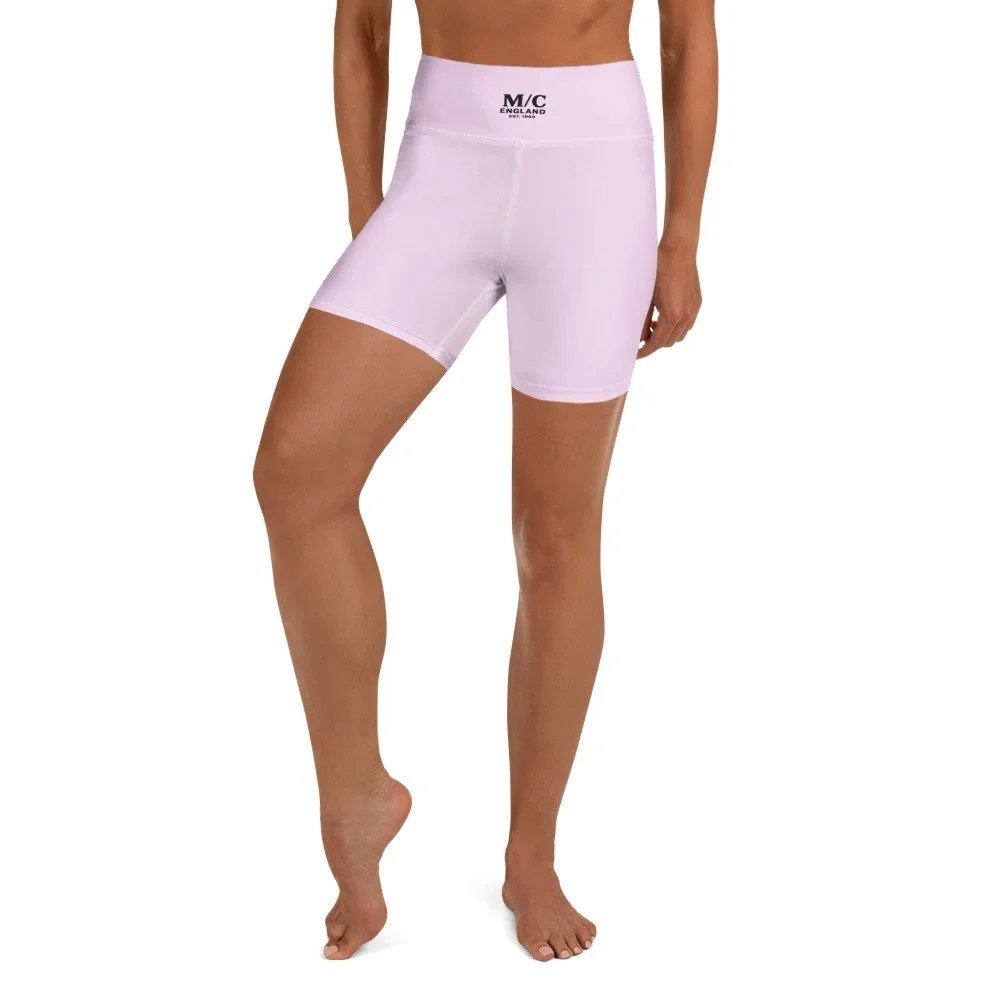
2. Leggings and Yoga Pants: Stretch, Support and Confidence
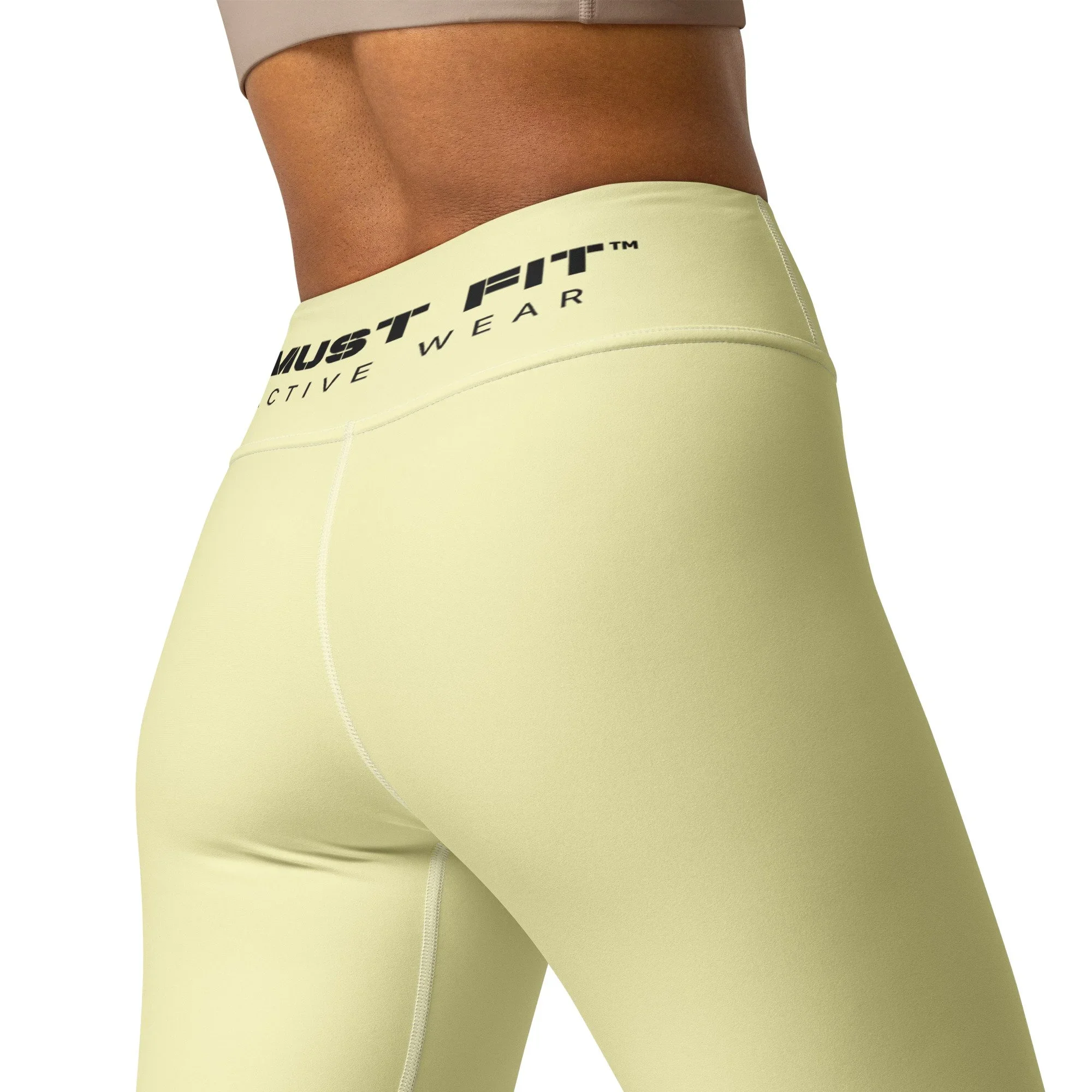
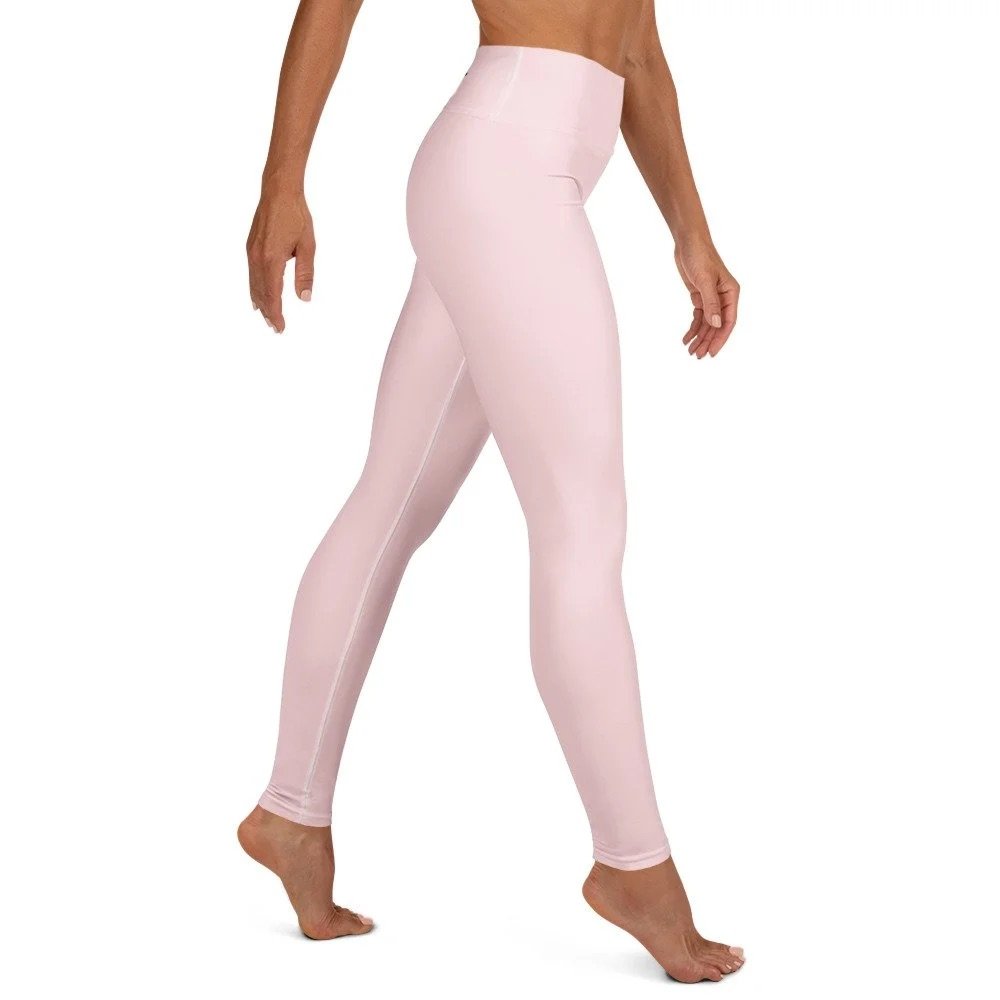
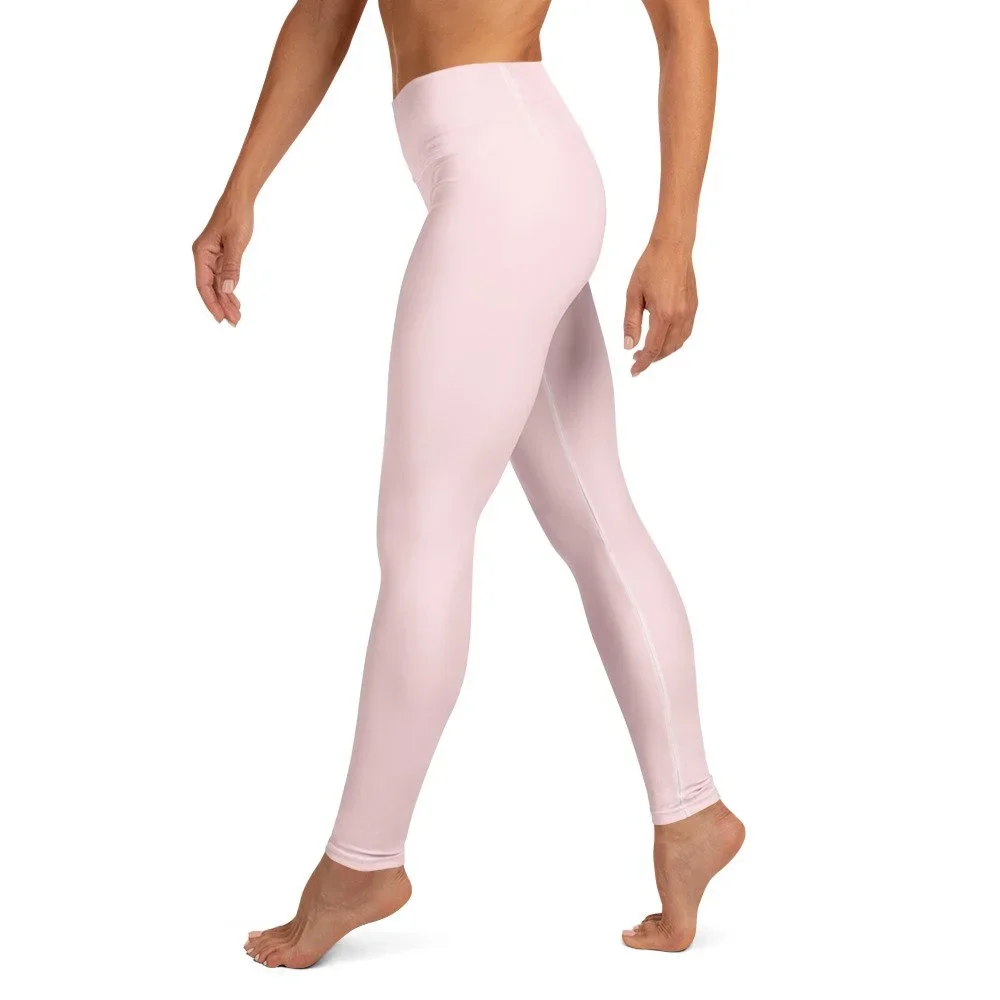
Leggings and yoga pants have become essentials in modern fitness wardrobes, and for good reason.
Stretchy fabrics can provide a close, comfortable fit without restricting movement.
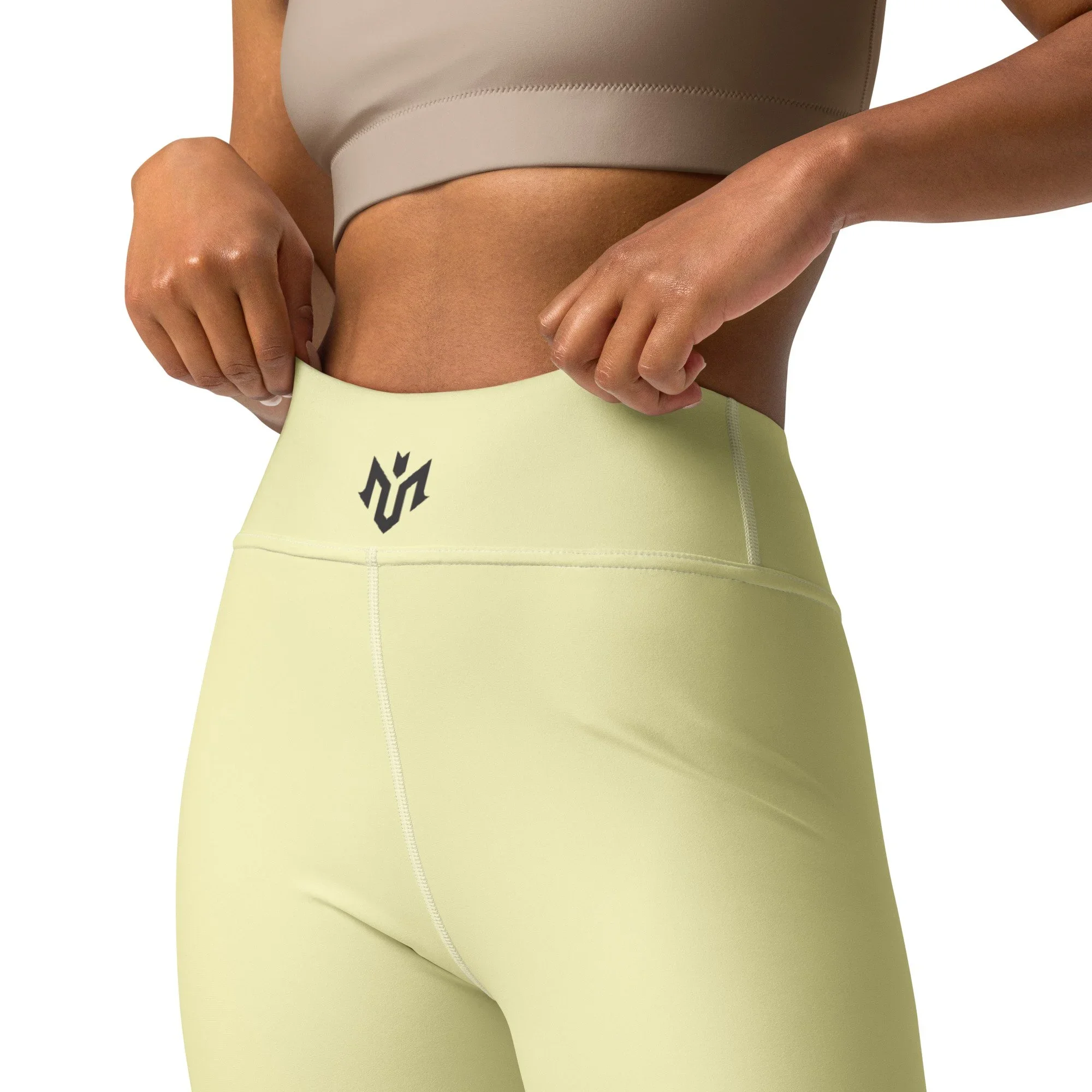
For yoga, Pilates and stretching, flexibility is especially important. For gym workouts, some people prefer supportive, high-waisted leggings that stay securely in place.
Best for: Yoga, Pilates, stretching, cycling and general fitness.
Look for:
Four-way stretch
Comfortable, secure waistbands
Breathable materials
Fabric that remains opaque when stretching
Leggings aren't just about appearance. They're about feeling comfortable and confident enough to concentrate on your workout.
3. Loose T-Shirts or Muscle Shirts: Which Is Better?
This is one of the most personal choices in gym clothing.
Some people love the freedom and relaxed feel of an oversized T-shirt. Others prefer a fitted muscle shirt or sleeveless top.
Neither is automatically better.
Loose T-shirts provide a relaxed fit, comfortable coverage and versatility. They're especially popular for casual training, warm-ups and everyday wear.
Muscle shirts and sleeveless tops offer more freedom around the shoulders and arms, making them popular for upper-body strength training.
For intense exercise, the fabric matters as much as the fit. A moisture-wicking performance shirt may feel more comfortable than a heavy cotton T-shirt when you're sweating.
Best advice: Wear whatever lets you move naturally and feel confident.
After all, the gym isn't a fashion competition.
4. Hoodies at the Gym: When Should You Wear One?
Hoodies have become a familiar part of gym culture.
You'll see them on the way to training, during warm-ups and after workouts.
But does wearing a hoodie actually improve your workout?
Not necessarily.
A hoodie can help you feel warmer in a cold environment and provides an extra layer before your body has warmed up. However, wearing heavy clothing during intense exercise can cause unnecessary overheating.
Sweating more doesn't mean you're burning more body fat.
Best for: Travelling to the gym, light warm-ups, cooler conditions and post-workout comfort.
A lightweight hoodie is generally more practical for active movement, while a heavyweight hoodie can be ideal for travelling home, relaxing or staying comfortable outdoors.
At M.U.S.T. Fit® Sports, we appreciate the appeal of heavyweight comfort. But knowing when to wear different clothing is just as important as choosing what looks good.
5. Headbands, Caps and Accessories: Small Details, Big Difference
Sometimes it's the smallest pieces of clothing that make exercising more comfortable.
A headband can help keep hair and sweat away from your face.
A cap can provide shade during outdoor training, while comfortable socks and properly fitted trainers can make a meaningful difference to your experience.
Best for: Running, outdoor exercise, sports and workouts where sweat or hair becomes distracting.
Choose accessories for their usefulness, not simply their appearance.
6. What Should You Wear for Different Workouts?
Different workouts place different demands on your body, so choosing clothing that suits the activity can make exercising more comfortable and enjoyable.
Weight Training – Strength and Freedom
Gym shorts or comfortable joggers paired with a loose T-shirt or muscle shirt. Choose clothing that allows unrestricted movement when lifting, squatting and stretching.
Running and Cardio – Light and Breathable
Lightweight shorts or leggings combined with a breathable, moisture-wicking top. Keeping cool and comfortable is especially important during high-intensity exercise.
Yoga and Pilates – Stretch and Flexibility
Stretch leggings or yoga pants paired with a comfortable, secure-fitting top. Flexible fabrics allow you to move through different positions without constantly adjusting your clothing.
HIIT Training – Move Without Restrictions
Flexible gym shorts or leggings with a lightweight performance shirt. High-intensity interval training involves plenty of movement, so comfort and breathability matter.
Walking and Light Exercise – Everyday Comfort
Relaxed joggers, a comfortable T-shirt and a lightweight hoodie when needed. Perfect for activities where comfort matters more than specialist performance clothing.
Before and After the Gym – Warmth and Lifestyle
A comfortable hoodie, joggers and trainers make an ideal combination for travelling to the gym, warming up or relaxing afterwards.
Remember: There's no single perfect gym outfit. What matters is choosing clothing that suits your activity, the temperature and, most importantly, how you feel wearing it.
7. Does What You Wear Affect Your Confidence?
For many people, yes.
Think about the difference between wearing something that constantly needs adjusting and wearing an outfit you barely notice.
When your clothes fit comfortably, you can concentrate on what you're doing rather than worrying about how you look.
Some people feel more confident in fitted gym clothing. Others prefer loose, oversized pieces that offer a relaxed silhouette.
Both choices are equally valid.
The important thing is feeling comfortable enough to show up, participate and enjoy the experience.
You don't need to look like a fitness influencer to belong in a gym.
You just need to be yourself.
What You Wear When You Do!
At M.U.S.T. Fit® Sports, we believe clothing should fit into your life, not the other way around.
The gym. The morning walk. The journey home. The coffee afterwards. The everyday moments between everything else.
Different activities call for different clothing, but comfort, confidence and personal style connect them all.
That's what our philosophy is about.
WEAR WHAT MOVES YOU.
WHAT YOU WEAR WHEN YOU DO!
M.U.S.T. Fit® Sports — Sport × Street × Lifestyle